
How to Mix and Match Patterns Like a Pro
In the world of interior design, few things add personality and visual interest quite like mixing and matching patterns.
From bold florals and geometric prints to subtle stripes and organic textures, patterns can transform a plain space into something extraordinary.
But blending patterns can be intimidating — one wrong move, and your room can feel chaotic instead of cohesive.
The good news? With a few expert tips and some creativity, anyone can master the art of mixing patterns like a pro.
Why Mixing Patterns Matters in Interior Design
Patterns are a powerful tool in interior design. They bring texture, depth, and movement to a room, helping to define your style and make a space feel curated rather than cookie-cutter.
Whether you lean toward traditional, boho, modern, or eclectic styles, layering patterns can elevate your home’s design — if done thoughtfully.
When patterns are mixed correctly, they create visual harmony. When they’re not, they can clash and overwhelm. That’s why understanding the basic rules of pattern mixing is essential for any design enthusiast, homeowner, or renter.
1. Start with a Color Palette
The first step in successfully mixing patterns is choosing a consistent color palette. This helps create unity even when the patterns themselves are vastly different in style.
Tips for creating a cohesive color scheme:
- Choose 2–3 primary colors and 1–2 accent colors.
- Use different patterns that share at least one common color.
- Incorporate neutrals like white, beige, gray, or black to balance bold hues.
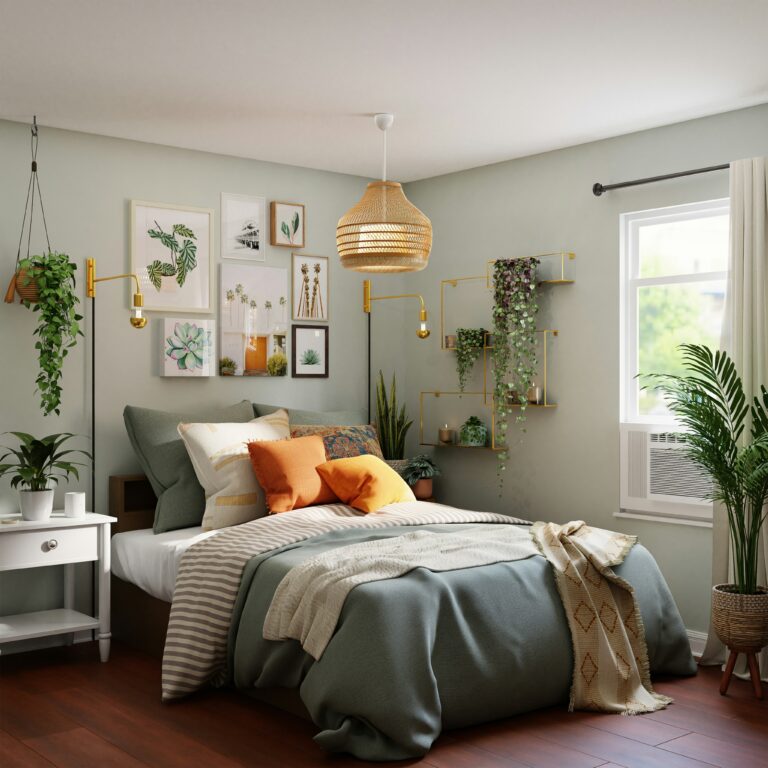
For example, a palette of navy, white, and mustard yellow might include a striped navy rug, a floral pillow with yellow accents, and a geometric throw with all three colors.
2. Vary Pattern Scale for Balance
One of the most important rules in pattern mixing is to vary the scale of the patterns. Combining large, medium, and small-scale prints prevents them from competing for attention and helps the eye move comfortably around the room.
How to balance pattern scale:
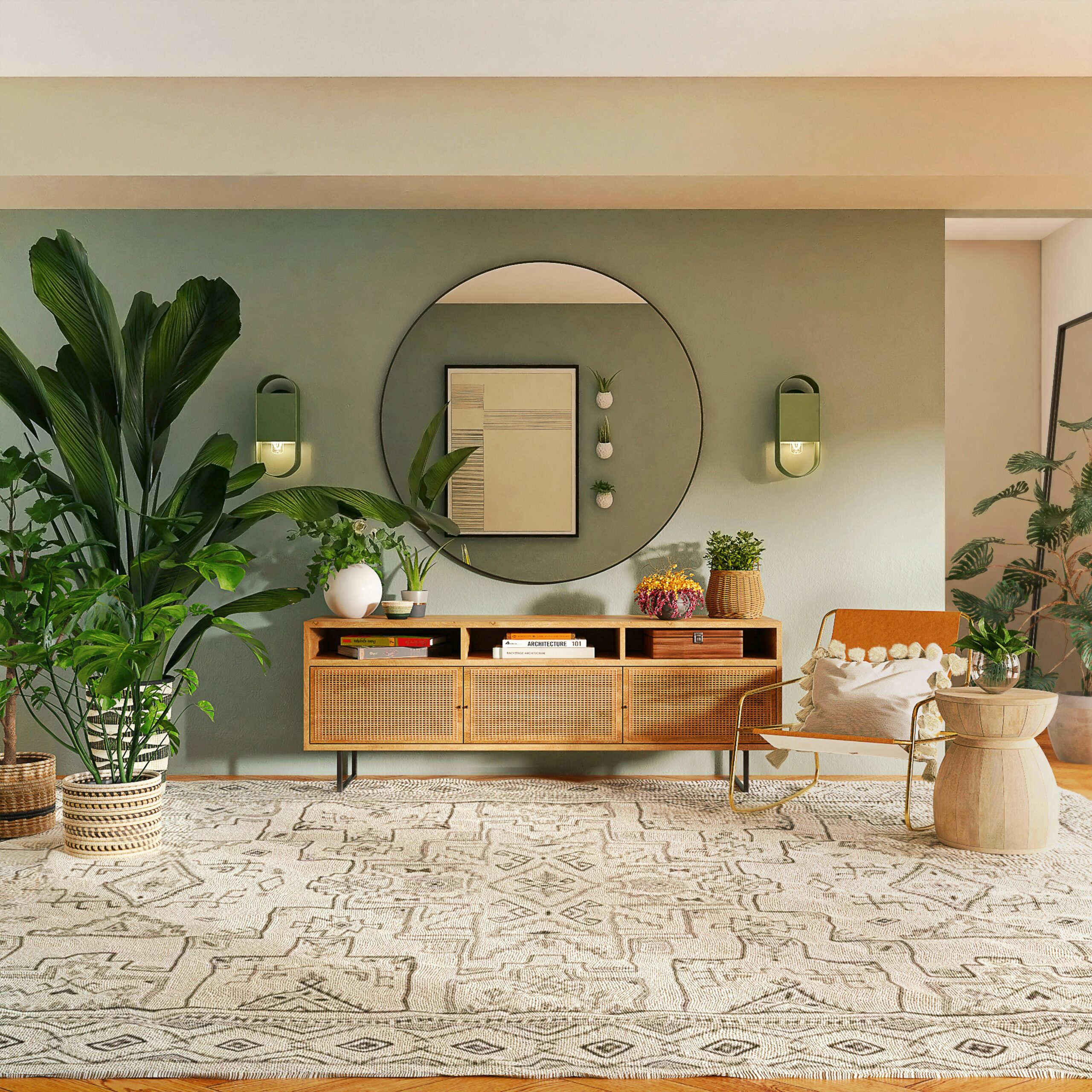
- Use one large-scale pattern as the focal point — such as a bold wallpaper or a statement rug.
- Add medium-scale patterns on throw pillows, drapes, or bedding.
- Finish with small-scale prints for accents like cushions, artwork, or lampshades.
Mixing scale ensures that no single element overpowers the space, creating a layered and sophisticated interior design look.
3. Combine Different Pattern Types
Diversifying the types of patterns you use adds interest and prevents the room from feeling one-dimensional. The key is to mix pattern categories while still tying them together with color and scale.
Common pattern types to mix:
- Florals – Great for softening spaces and adding organic shapes.
- Stripes – A classic choice that works in almost any room.
- Geometrics – Adds a modern edge and symmetry.
- Animal prints – Bold and trendy, ideal as accent patterns.
- Abstract or ethnic patterns – Brings global flair and uniqueness.
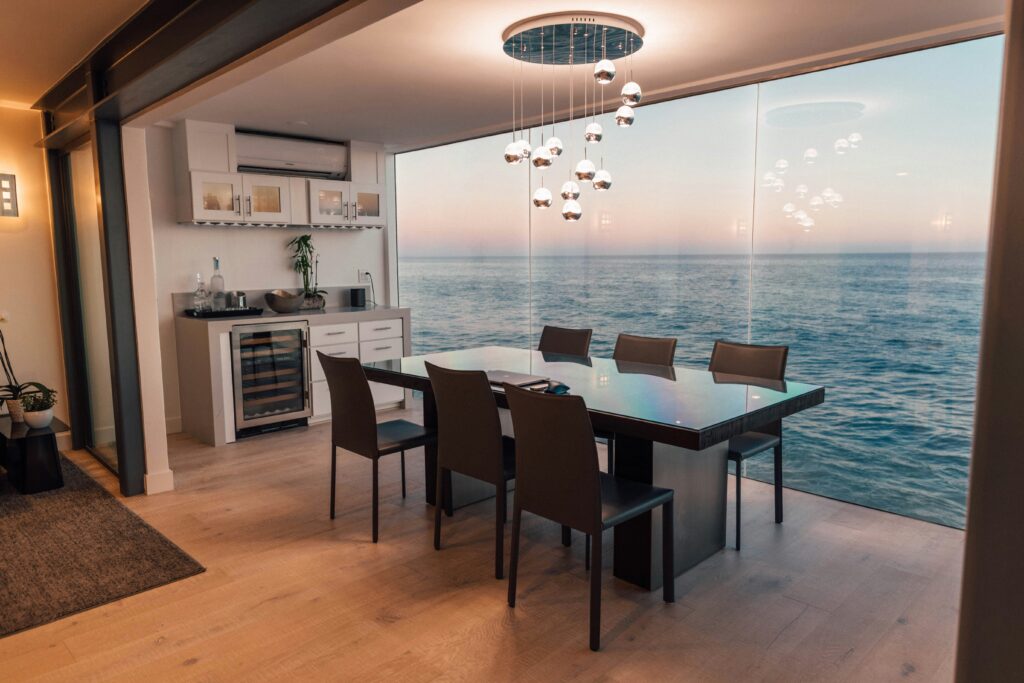
For example, a floral duvet can pair beautifully with a geometric rug and striped curtains — as long as they follow a unified color scheme and varied scale.
4. Use Solids to Create Visual Breathing Room
One mistake many people make when layering patterns in interior design is not incorporating enough solid colors to provide rest for the eyes. Solid elements act as buffers between busy patterns, giving the room balance and clarity.
Where to add solids:
- Sofa upholstery or headboards
- Walls or ceilings
- Throws, blankets, or plain accent pillows
- Area rugs or drapery panels
Think of solids as the visual “pause” in your design symphony — they let the patterns shine without overwhelming the space.
5. Repeat Patterns Across the Room
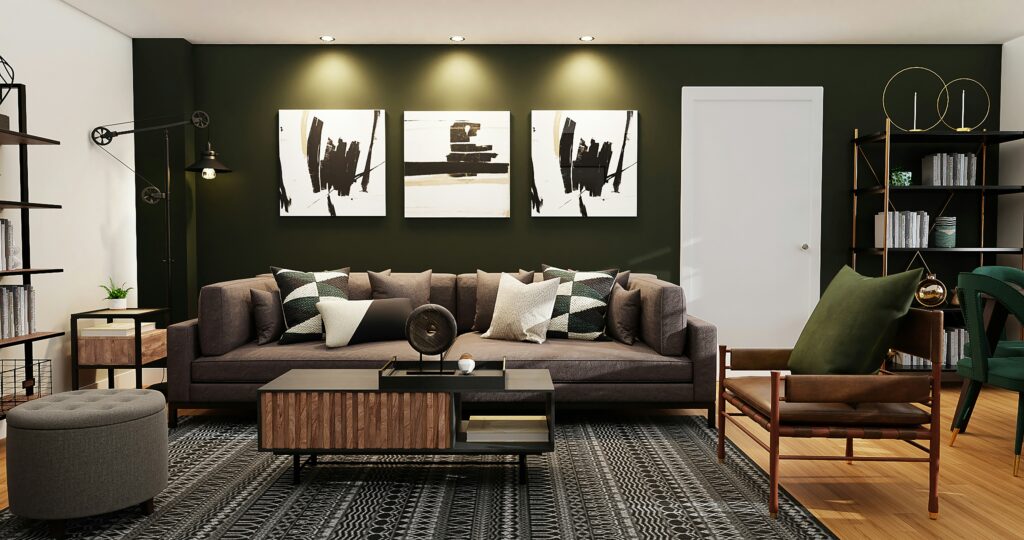
To make your pattern choices feel intentional rather than random, repeat similar patterns or motifs throughout the room. This repetition creates rhythm and cohesion — both essential principles of strong interior design.
Easy ways to repeat patterns:
- Echo a pattern from the rug in your throw pillows.
- Use the same stripe or dot motif in different colors or scales.
- Incorporate similar shapes (e.g., circles, hexagons) in various decorative pieces.
This doesn’t mean duplicating the same print — instead, look for ways to nod to the pattern or its elements across the room.
6. Mix Textures for Added Dimension
Patterns don’t always have to be printed. Mixing textures is another form of pattern play that adds depth and warmth to a space. Incorporating different materials and finishes can mimic the feel of patterned decor while offering a subtler approach.
Try combining:
- Woven throws with velvet pillows
- Linen curtains with leather furniture
- Rattan baskets with marble or glass accents
Layering textures is a great strategy, especially if you’re hesitant about mixing bold prints. It provides interest without overwhelming your interior design.
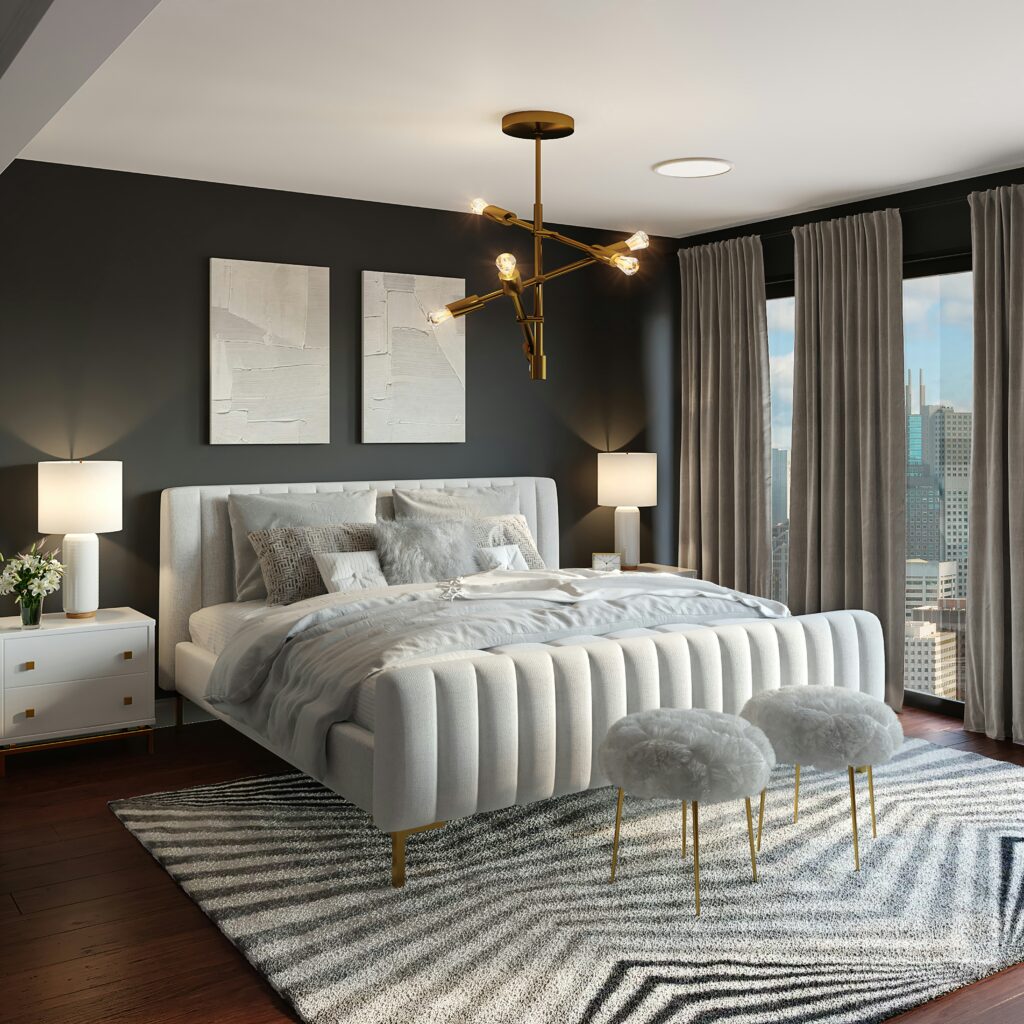
7. Don’t Forget the Floor and Ceiling
Patterns aren’t just for pillows and walls. Floors and ceilings are often-overlooked areas where you can creatively play with prints and patterns. Adding patterned elements to these areas can anchor a room or draw the eye upward, making it feel taller and more spacious.
Pattern ideas for floors and ceilings:
- Use a patterned tile or rug to define a space.
- Add wallpaper to the ceiling for a dramatic touch.
- Try a painted pattern on hardwood floors or stenciled concrete.
These unexpected pattern placements can elevate your room from basic to bold — perfect for those wanting a unique interior design statement.
8. Trust Your Eye (and Have Fun!)
At the end of the day, interior design is personal. Mixing patterns should reflect your personality, not just follow rules.
If you love how two prints look together — even if they break a few “rules” — go for it! The best-designed spaces often come from a combination of intuition and confidence.
Take time to experiment. Try laying out pillows, rugs, or swatches before committing. Use mood boards or Pinterest to visualize combinations.
Most importantly, have fun and trust that your home should feel like yours — bold, beautiful, and uniquely you.
Make Pattern Mixing Your Secret Interior Design Superpower
Mixing and matching patterns doesn’t have to be scary.
With a clear color palette, varied pattern scales, thoughtful repetition, and plenty of solids to balance things out, you can create a dynamic, stylish home that feels intentional and lived-in.
Ready to refresh your space?
Start small — maybe with a few new throw pillows or a bold patterned rug — and build from there. With these tips, you’ll be layering patterns like a pro and elevating your interior design in no time.
Looking for more inspiration and practical design ideas? Check out our latest interior design guides.