


When to Repair vs. Replace Appliances: A Smart Guide to Home Maintenance
Appliances are the backbone of comfortable living — they keep our homes running smoothly and efficiently. But as any homeowner knows, even the best machines don’t last forever. From your refrigerator to your washing machine, every appliance eventually reaches a point where you’ll face the big question: should you repair it or replace it?
Understanding when to make that call is an essential part of home maintenance that can save you time, money, and frustration.
In this guide, we’ll break down the key factors that determine whether repair or replacement makes more sense, how to extend the life of your appliances, and when it’s smarter to invest in something new.
Let’s help you make confident, cost-effective decisions for your home.
Why Appliance Decisions Matter in Home Maintenance
Appliances are some of the most frequently used and expensive components in any household. Whether it’s your air conditioner keeping you cool or your dishwasher saving you precious time, their reliability directly impacts your comfort and lifestyle.
That’s why appliance care should be a core part of your home maintenance routine.
Knowing when to repair or replace helps you:
- Save money: Avoid costly emergency replacements and unnecessary service calls.
- Improve energy efficiency: Modern appliances use less electricity and water.
- Increase safety: Older, malfunctioning appliances can pose fire or electrical hazards.
- Enhance comfort: Reliable appliances reduce daily stress and improve quality of life.
Let’s explore how to evaluate your appliances so you can make the best decision every time something breaks down.
1. The Age Factor: How Old Is Too Old?
Every appliance has a general lifespan — and once it reaches that limit, repairs may become more frequent and less cost-effective.
A good rule of thumb for home maintenance is the 50% rule. If the repair costs more than 50% of the appliance’s original price, it’s usually better to replace it.
Average Lifespans of Common Household Appliances:
- Refrigerator: 10–15 years
- Dishwasher: 8–12 years
- Washing machine: 8–10 years
- Dryer: 10–13 years
- Microwave: 7–9 years
- Oven/Range: 10–15 years
- Water heater: 8–12 years
- HVAC system: 15–20 years
If your appliance is nearing or past its expected lifespan and breaking down often, replacing it could save you from frequent repair bills and energy waste.
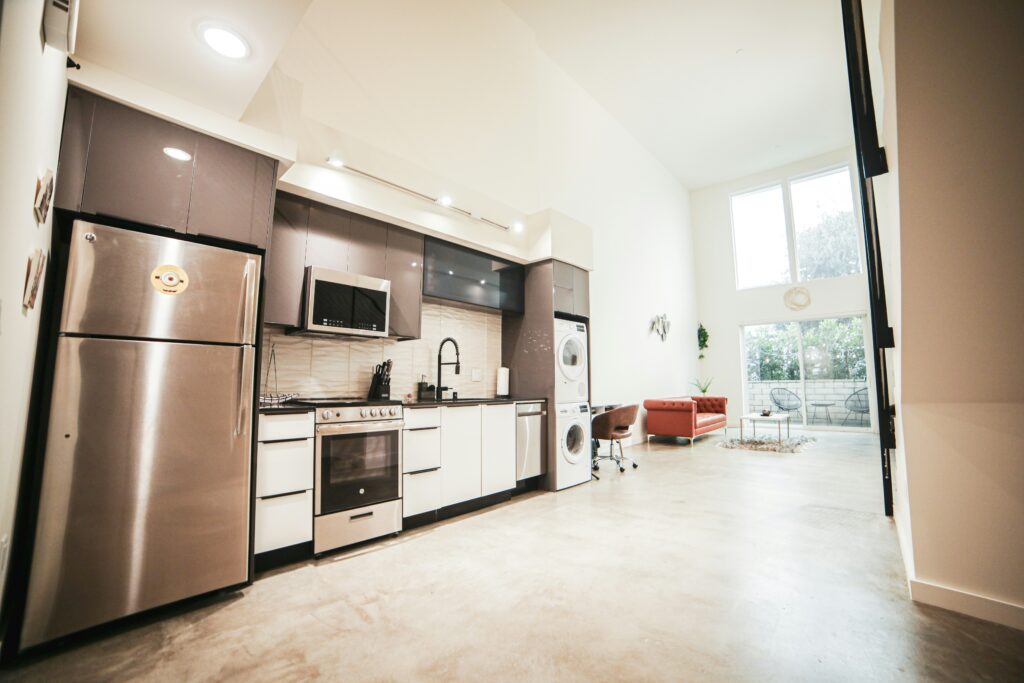
2. Cost Considerations: Repair or Replace?
When deciding between repair and replacement, cost is often the biggest factor. However, the cheapest short-term solution isn’t always the smartest in the long run. Consider the total cost of ownership, including repair expenses, energy efficiency, and potential resale value of your home.
Ask Yourself These Questions:
- Is the warranty still active? If yes, repairs may be covered at little to no cost.
- How much will the repair cost? If it’s more than 50% of replacement cost, consider upgrading.
- How energy-efficient is the appliance? Older models may consume more power and drive up utility bills.
- Are parts readily available? If parts are scarce or discontinued, replacement might be the only option.
Smart home maintenance means weighing immediate costs against future savings.
For instance, replacing a 15-year-old refrigerator with an Energy Star–rated model can reduce energy consumption by up to 20%, lowering utility bills for years to come.
3. Performance and Efficiency: When It’s Time for an Upgrade
Even if your appliance still works, inefficiency can signal it’s time to replace. An aging dishwasher that leaves residue or a washing machine that vibrates excessively might be costing you more in wasted water, electricity, and time than you realize.
Signs Your Appliance May Be Inefficient:
- Frequent cycles to achieve desired results
- Unusual noises, leaks, or vibrations
- Uneven cooling, heating, or drying performance
- Rising energy or water bills without clear cause
Replacing outdated models with newer, energy-efficient ones can greatly improve performance and sustainability. Many modern appliances also come with smart features, helping you monitor usage and maintenance remotely — an advantage for long-term home maintenance.
4. Environmental Impact: Repair for Sustainability
In today’s eco-conscious world, sustainable home maintenance means minimizing waste whenever possible.
Repairing instead of replacing helps reduce landfill waste and conserves resources. However, this only applies if the appliance can be repaired effectively and continues to operate efficiently afterward.
Eco-Friendly Considerations:
- Repair first: Always explore professional repair before disposal, especially for minor issues.
- Recycle responsibly: When replacement is necessary, choose certified recycling centers for proper disposal.
- Opt for energy-efficient replacements: Look for Energy Star–rated models that reduce carbon footprint and utility costs.
- Maintain regularly: Regular cleaning and servicing extend appliance life and improve efficiency.
Balancing repair and replacement decisions with environmental impact ensures your home maintenance efforts support a greener, more sustainable lifestyle.
5. Common Appliances: Repair or Replace?
To make things easier, here’s a quick breakdown of common household appliances and when it’s generally better to repair or replace them.
Refrigerator
- Repair: If cooling issues are minor (e.g., dirty coils or faulty thermostat).
- Replace: If the compressor fails or the fridge is over 12 years old and inefficient.
Dishwasher
- Repair: For minor leaks or drainage issues.
- Replace: When the motor or control board fails and the unit is over 10 years old.
Washing Machine
- Repair: If the issue involves a belt or sensor replacement.
- Replace: When the drum is damaged or frequent repairs exceed $200–$300.
Oven or Range
- Repair: If it’s an issue with the igniter or temperature sensor.
- Replace: When heat distribution is inconsistent and parts are no longer available.
HVAC System
- Repair: For clogged filters, thermostat issues, or minor leaks.
- Replace: If your system is 15+ years old and no longer energy-efficient.
Each appliance has its limits, but good home maintenance practices — like regular cleaning and inspections — can extend their lifespan significantly.
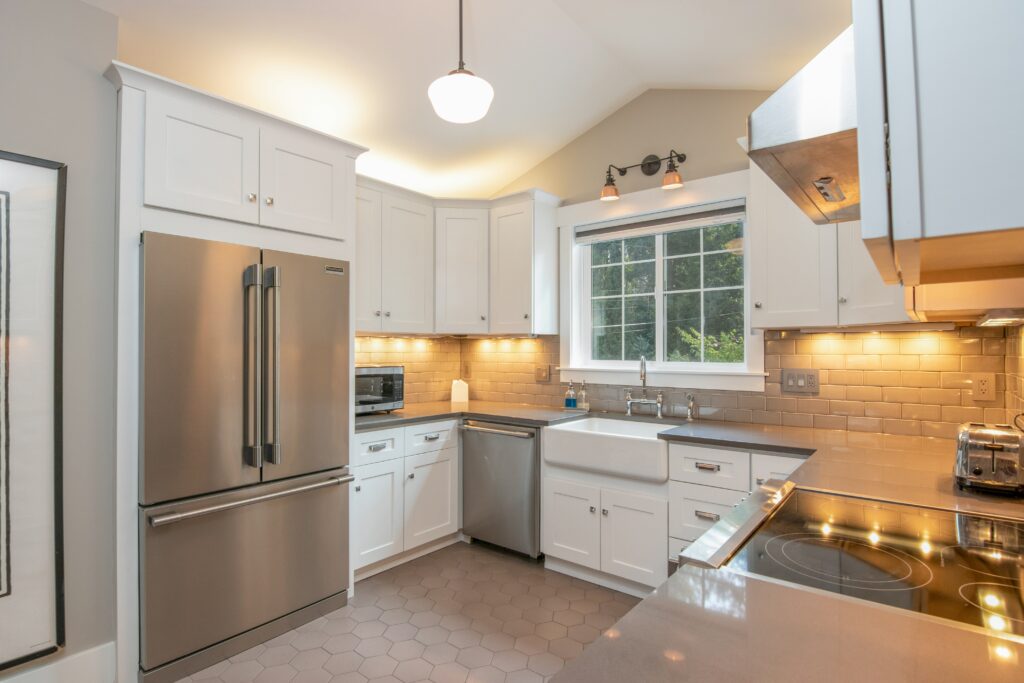
6. Preventive Maintenance: How to Extend Appliance Life
The best way to delay replacement decisions is through preventive care. Routine maintenance keeps appliances running efficiently and helps you catch small problems before they become costly breakdowns.
Home Maintenance Tips for Major Appliances:
- Clean regularly: Remove lint from dryers, defrost freezers, and clear debris from refrigerator coils.
- Check seals and filters: Replace door seals and filters on refrigerators, dishwashers, and HVAC systems to improve efficiency.
- Inspect hoses and vents: Replace worn or cracked hoses to prevent leaks.
- Balance loads: Avoid overloading washers and dryers to prevent mechanical strain.
- Schedule professional servicing: Annual checkups for HVAC, water heaters, and larger systems keep them performing well.
With regular upkeep, you can often delay costly replacements by several years while keeping your appliances in top condition.
7. The Hidden Value of Upgrading
Sometimes, replacing an old appliance isn’t just about fixing a problem — it’s about adding long-term value to your home. Energy-efficient upgrades can make your property more appealing to buyers and reduce monthly expenses. Modern smart appliances also offer convenience features like programmable settings, remote monitoring, and automatic maintenance alerts that simplify everyday life.
If you’re planning to sell your home in the near future, upgraded appliances can be a major selling point and boost your property’s overall market value.
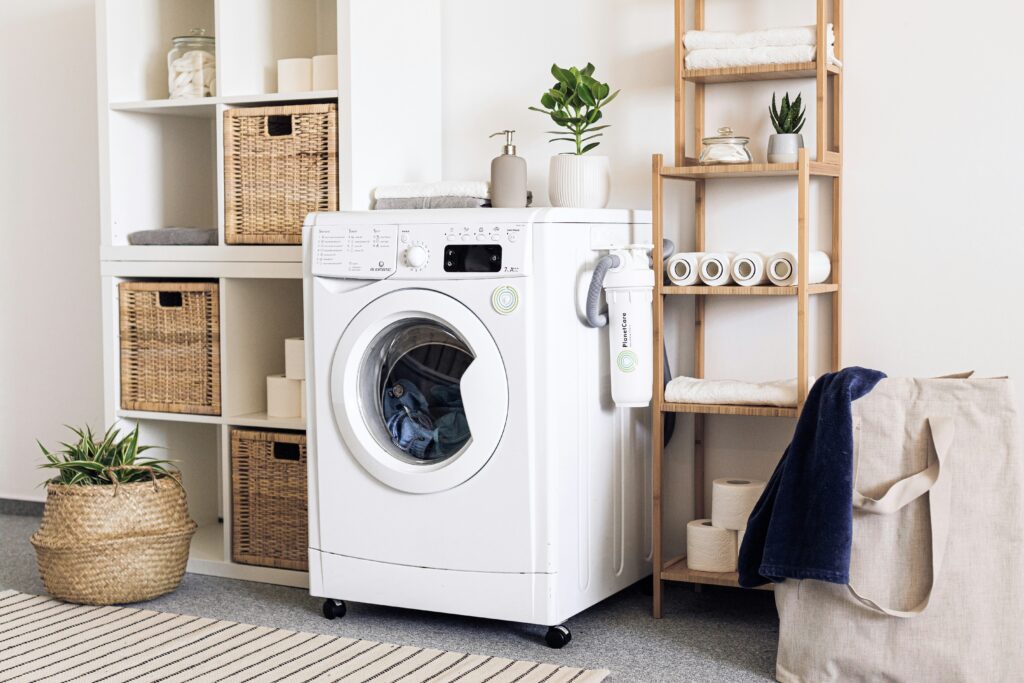
Make Smart Home Maintenance Decisions!
Deciding whether to repair or replace an appliance can feel overwhelming, but with the right information, it doesn’t have to be.
By evaluating the age, cost, efficiency, and environmental impact of your appliances, you can make informed choices that benefit your household and your wallet.
Take a moment today to review your major appliances. Schedule preventive maintenance, check for warranty coverage, and plan ahead for replacements when necessary.
Ultimately, smart home maintenance not only keeps your home running smoothly — it helps you save money, reduce waste, and enjoy greater peace of mind for years to come.
Once you’ve got your appliances all buttoned up, move on to additional home maintenance tasks.