
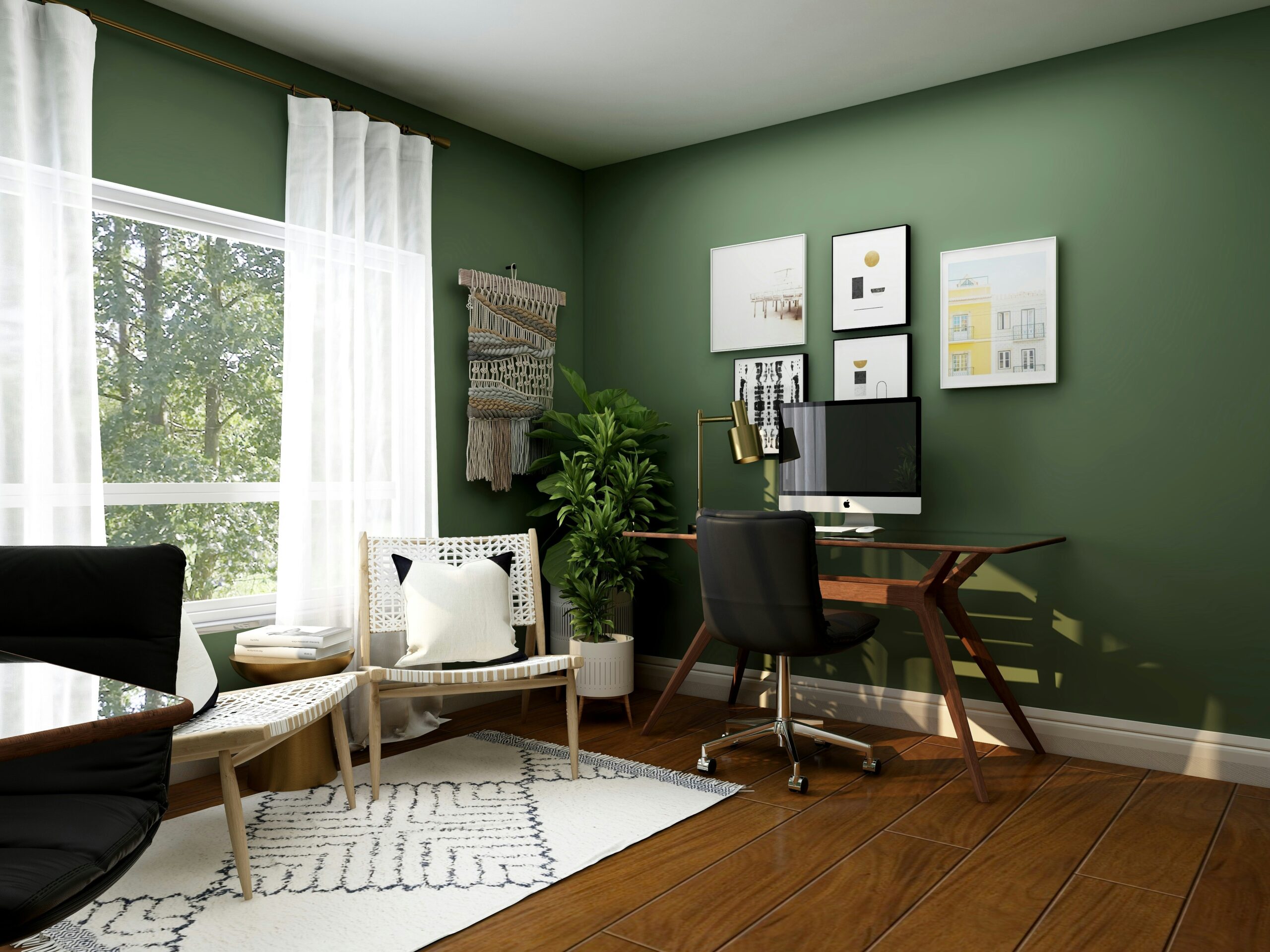
Best Home Office Setup for Productivity: Interior Design Tips for a Functional Workspace
Creating the perfect home office is more than just setting up a desk and chair—it’s about designing a space that inspires focus, comfort, and creativity. In the world of interior design, a well-planned workspace can make a remarkable difference in how effectively you work from home.
Whether you’re a remote professional, a freelancer, or someone managing a household budget, your office setup should support both productivity and peace of mind.
In this guide, we’ll explore how to build the best home office setup using interior design principles.
From ergonomic furniture and lighting to color psychology and organization strategies, these ideas will help you create a workspace that not only looks great but helps you perform your best every day.
Designing a Home Office That Works for You
The key to productive home office design lies in balance—comfort meets efficiency, and style meets function.
Before diving into furniture and décor, it’s essential to define how you’ll use the space.
Will it be for meetings and creative brainstorming, or quiet, focused tasks? Understanding your workflow will guide your design choices.
- Assess your needs: Identify your must-haves—desk size, tech requirements, storage space, etc.
- Consider location: Choose a quiet, well-lit spot away from distractions.
- Plan for flexibility: Design a setup that can evolve with your work habits.
By tailoring your workspace to your lifestyle, you’ll ensure that your interior design decisions enhance your daily productivity rather than hinder it.
Choosing the Right Furniture for Comfort and Productivity
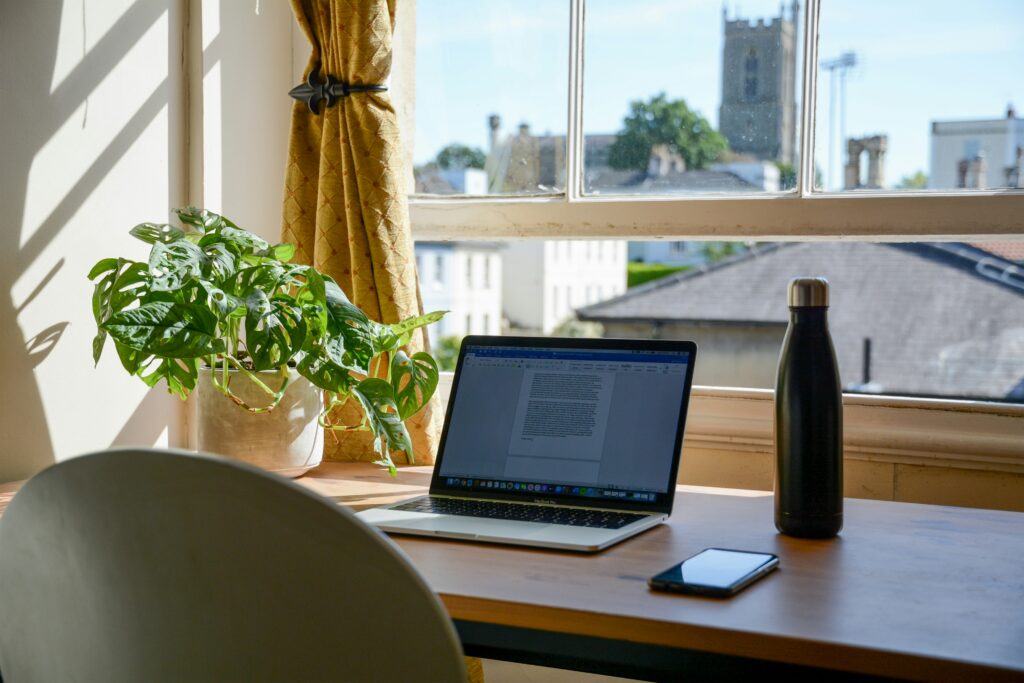
Furniture is the foundation of any effective home office. Investing in quality, ergonomic pieces will pay off in both comfort and long-term health. The right interior design strategy combines aesthetics with practicality to keep you motivated and supported throughout your workday.
1. Ergonomic Desk and Chair
Your desk and chair are the most crucial elements in your office setup. Opt for adjustable, ergonomic options to support good posture and reduce strain.
- Desk height: Ideal desks keep your elbows at a 90-degree angle when typing.
- Chair features: Look for lumbar support, height adjustability, and swivel mobility.
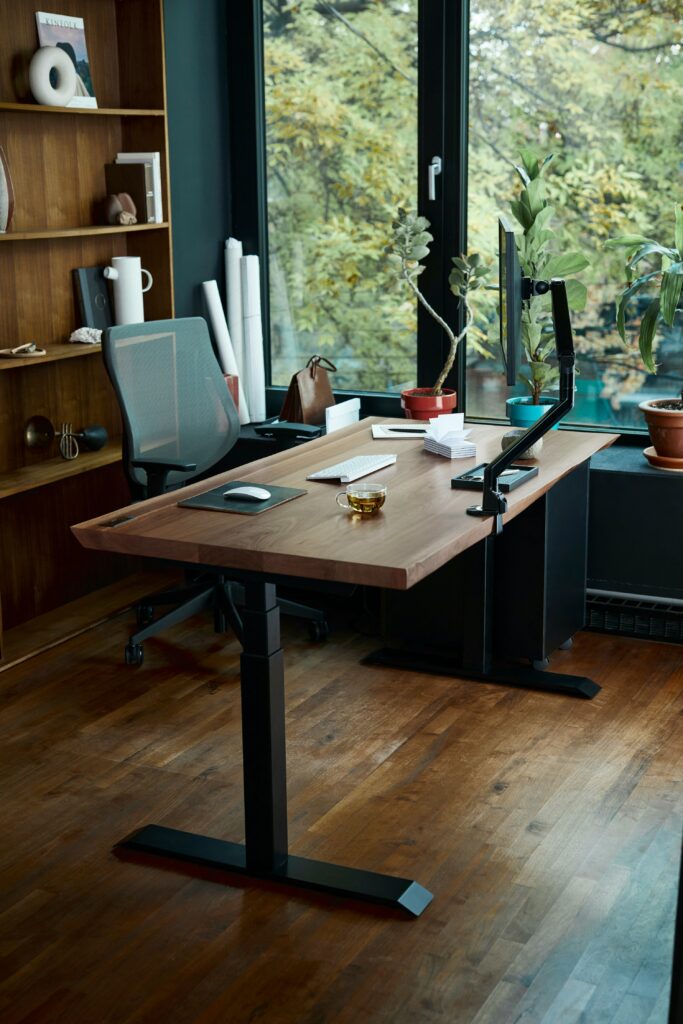
- Standing desks: Consider a sit-stand desk to boost energy and circulation.
Functionality is key, but don’t forget style—select finishes and colors that complement your interior design theme.
2. Storage and Organization
Clutter can kill productivity. Smart storage keeps your space organized and your mind clear. Incorporate built-in shelves, file cabinets, or floating units to store documents and supplies neatly.
- Use modular shelving for flexibility.
- Invest in cable management tools to reduce visual clutter.
- Incorporate hidden storage for a minimalist look.
Keeping your workspace tidy reinforces focus and enhances your interior design aesthetic by maintaining clean, organized lines.
Lighting: The Unsung Hero of Home Office Interior Design
Lighting has a powerful impact on both mood and productivity. A well-lit environment boosts alertness, reduces eye strain, and helps maintain a consistent workflow throughout the day. Effective interior design integrates multiple layers of lighting to achieve the perfect balance.
- Natural light: Position your desk near a window to benefit from daylight and outdoor views.
- Task lighting: Add adjustable desk lamps for focused work.
- Ambient lighting: Use overhead fixtures or wall sconces to evenly illuminate the space.
- Accent lighting: Highlight art or décor to make the space feel personal and inspiring.
Warm, balanced lighting supports both visual comfort and mental well-being—essential qualities in any interior design plan for a productive home office.

Colors That Boost Focus and Creativity
Color psychology is a fundamental aspect of interior design. The colors surrounding you can influence your energy, focus, and creativity. When selecting a palette for your home office, think about the atmosphere you want to create.
- Blue: Promotes calmness and concentration—ideal for analytical tasks.
- Green: Reduces eye strain and evokes balance, great for long hours.
- Yellow: Stimulates creativity and optimism—perfect for brainstorming areas.
- Neutral tones: Offer a clean, timeless backdrop for minimalist or modern setups.
You can apply color strategically through walls, furniture, or accent pieces.
For instance, painting one wall a soft blue while keeping others neutral can help you stay grounded while adding visual interest to your interior design scheme.
Incorporating Technology Seamlessly
Technology is essential in any modern workspace—but too many cables and devices can disrupt your aesthetic flow. The goal of interior design is to integrate technology in a way that supports functionality while maintaining visual harmony.
- Wireless devices: Reduce clutter with wireless keyboards, mice, and chargers.
- Cable management: Use clips, trays, or under-desk organizers to hide cords.
- Monitor placement: Keep screens at eye level to prevent neck strain.
- Smart lighting and temperature control: Automate comfort settings for consistent productivity.
Combining technology with thoughtful interior design ensures your office feels efficient and modern without appearing chaotic.
Personal Touches That Inspire Productivity
While functionality is essential, your home office should also reflect your personality. Personal touches can turn a utilitarian workspace into a place where creativity thrives.
The best interior design strategies create a balance between professionalism and comfort.
- Add greenery: Plants improve air quality and create a calming atmosphere.
- Incorporate art: Hang motivational quotes or artwork that sparks inspiration.
- Use textiles: Layer rugs or cushions for warmth and texture.
- Display personal items: A few family photos or souvenirs can make the space uniquely yours.
These subtle details enhance your emotional connection to the space and encourage a sense of ownership—vital elements in sustainable interior design.
Organization Strategies to Maintain Efficiency
A beautifully designed office loses its effectiveness if it’s disorganized. Building habits and systems to keep things tidy will preserve both productivity and style.
Here’s how to stay organized long-term:
- Adopt a “clean desk” rule: End each day by clearing surfaces.
- Label and store documents: Use digital tools or color-coded folders.
- Utilize vertical space: Floating shelves maximize storage without cluttering your desk.
- Schedule regular decluttering: Reassess and remove unused items monthly.
Good organization doesn’t just save time—it also supports the sleek, orderly look that’s central to effective interior design.
Acoustics and Ambiance: Designing for Focus
Sound management is an often-overlooked element of interior design that can drastically affect concentration. Whether you’re attending virtual meetings or focusing on deep work, controlling your environment’s acoustics will make your office more comfortable and professional.
- Install soft furnishings like curtains and rugs to absorb sound.
- Add acoustic panels for improved sound control.
- Use white noise machines or background music to mask distractions.
Pairing good sound control with soft lighting and calming décor creates a harmonious workspace where productivity naturally thrives.
Designing Your Ideal Work-from-Home Haven
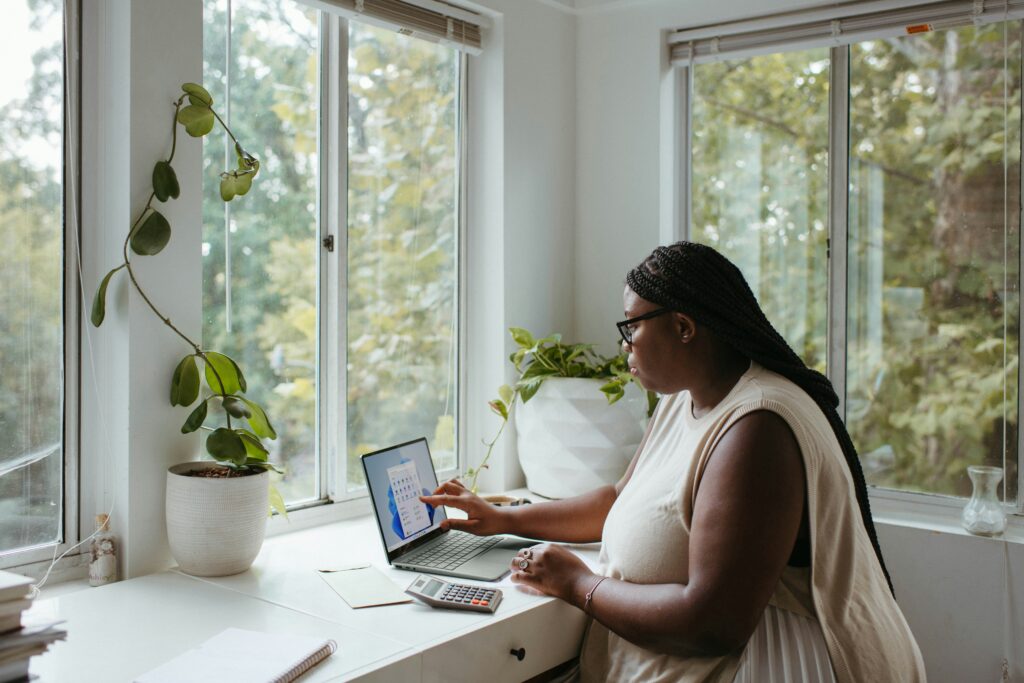
The best home office setup goes beyond furniture placement—it’s a blend of functionality, comfort, and aesthetic harmony.
Thoughtful interior design transforms your workspace into a place that supports your goals and reflects your personality. By focusing on ergonomic furniture, good lighting, effective organization, and inspiring details, you can create an environment that fuels creativity and focus.
Ready to elevate your work-from-home experience?
Start by evaluating your current setup and identifying small design changes that could make a big difference.
Whether you’re redesigning an entire room or optimizing a corner nook, a well-designed home office is one of the best investments you can make for your productivity—and your peace of mind.